Recognize the warning signs before they escalate
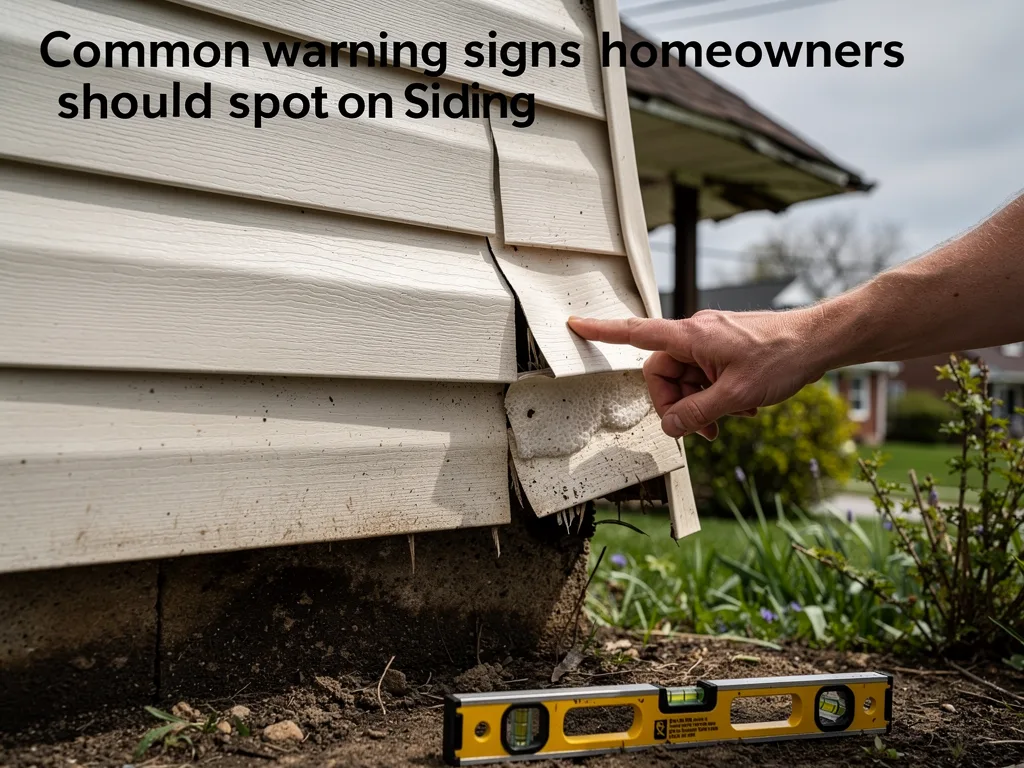
Across West Virginia, siding takes a beating from seasonal temperature swings, humidity, and the occasional heavy rain. A siding contractor notices warning signs long before a small issue becomes a big headache. Start with a quick visual check along the lower edges and seams. If you see warped boards, gaps, or paint peeling near corners, that can mean more than a cosmetic problem.
Moisture is the silent culprit. In West Virginia, driving rain and humid summers push moisture behind the siding. Look for staining on the exterior, waviness in flat surfaces, or areas where the siding looks darker after a rain. These are hints that water is getting in and the wall assembly may be compromised.
What a closer look reveals
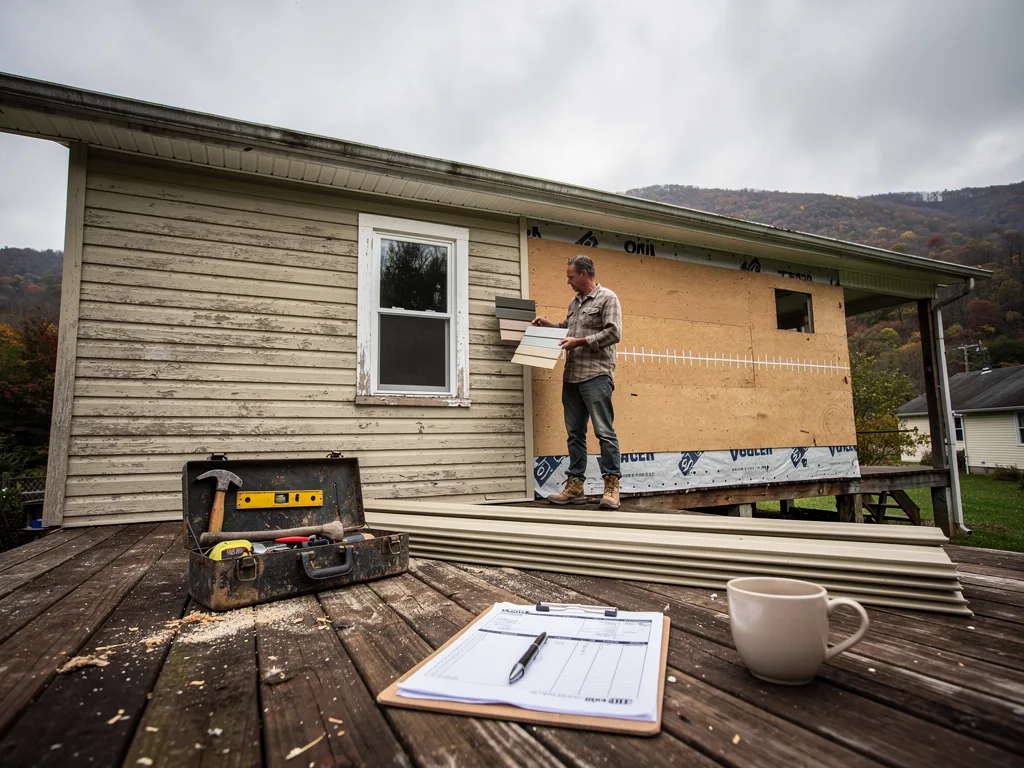
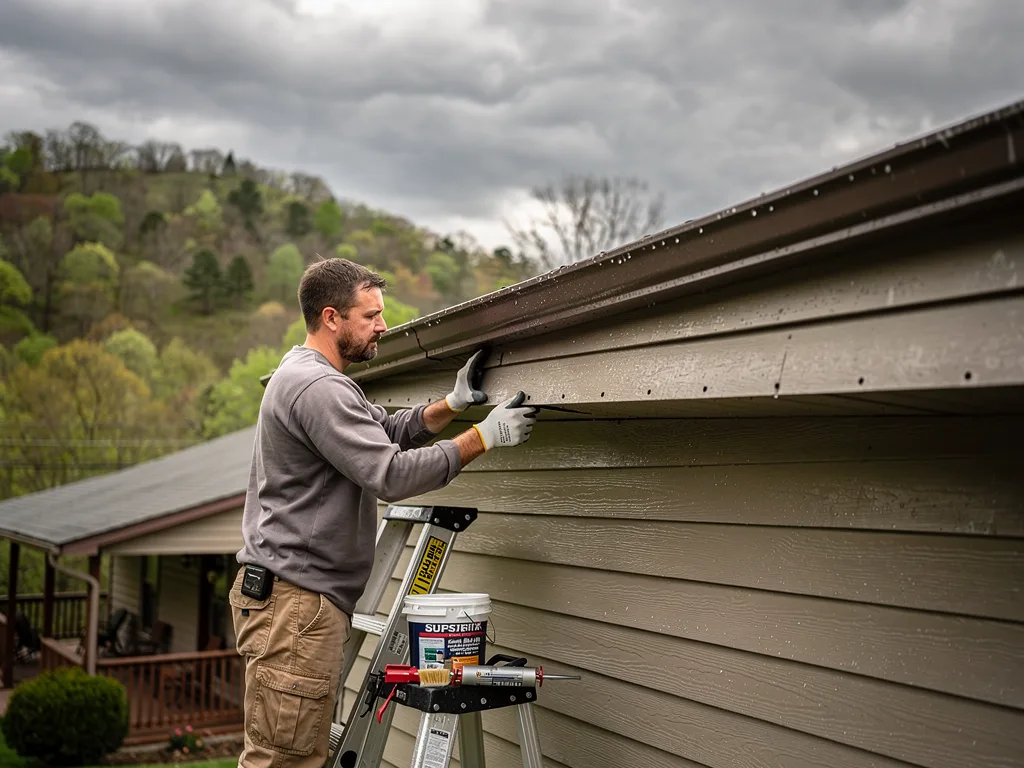
A siding contractor will confirm issues by inspecting the siding from the ground and, if needed, removing a board to check for rot or mold behind it. In many West Virginia homes, the problem isn’t a single damaged panel but a pattern of issues around windows, doors, and transitions to the roofline. If flashing or seals are degraded, water can migrate behind the siding and cause interrelated damage.
Another telltale sign is increased energy bills with no clear cause. When the siding isn’t sealing properly, it lets air pass through. A contractor can determine whether air leakage is coming from the siding and whether a repair or replacement is warranted.
What to do if you spot warning signs
Document the visible problems with photos and note where you see them. Then schedule a no-obligation assessment with a siding contractor who serves West Virginia. Our crews in every West Virginia metro can perform a thorough inspection, explain the findings, and outline practical options. In many cases, a small repair or resealing is enough, but you want a professional to confirm.
- Keep gutters clear so water isn’t pooling near the siding.
- Brush away debris that traps moisture at the siding edge.
- Address any obvious damage promptly to prevent rotting or molding behind the panels.